HR, But Smarter: How AI is Changing the Game
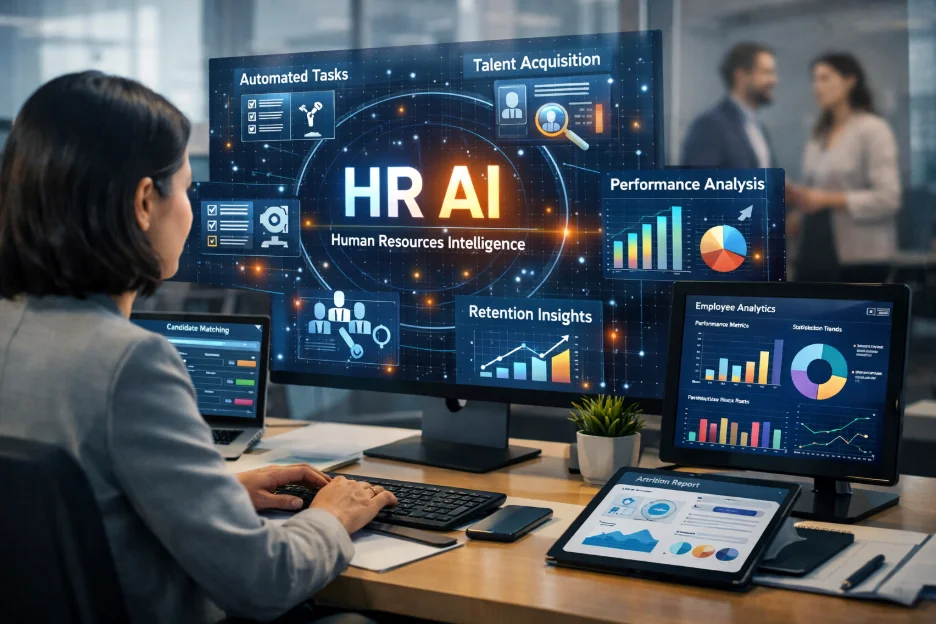
Human Resources has always been about people. But much of HR work has been bogged down by administrative tasks, repetitive workflows, and data overload. That’s where AI steps in, not to replace HR professionals but to support them and make the people work more strategic and impactful.
AI isn’t just a buzzword in HR; it’s becoming a core part of how HR teams function. Across recruitment, employee engagement, talent development, and process automation, AI is helping HR do more with less. But what exactly does AI do in HR? What problems does it solve? Let’s explore.
The Role of AI in Human Resources
AI in HR helps improve efficiency, accuracy, and decision-making. Some of the most impactful roles include:
- Automating repetitive tasks: AI accelerates processes like screening resumes, scheduling interviews, and responding to routine queries, saving HR teams hours of manual work.
- Supporting data-driven decisions: From performance trends to workforce planning, AI quickly analyzes complex data, helping HR make smarter, evidence-based decisions.
- Enhancing employee experience: Chatbots and virtual assistants provide instant answers to common questions about leave, benefits, or payroll, available 24/7.
- Strengthening talent management: AI identifies skill gaps, recommends personalized training, and helps build future-ready talent pipelines.
AI essentially frees HR teams from administrative overload so they can focus on strategy, culture, and employee growth.
Challenges AI Solves in HR
HR teams face a variety of challenges, and AI offers practical solutions:
Recruitment Overload – With large applicant pools, manually reviewing candidates is slow and inefficient. AI-powered applicant tracking systems (ATS) can review thousands of resumes quickly and match top candidates to the right roles.
Unconscious Bias – Human decisions in hiring, promotions, or performance reviews can be biased. AI helps standardize evaluations, focusing on skills and qualifications, making outcomes fairer.
Employee Turnover – Companies often discover resignations too late. AI predicts turnover risks by analyzing patterns like engagement or performance trends, giving HR teams a chance to intervene early.
Slow HR Support – Employees frequently need quick answers about payroll, leave, or benefits. AI chatbots provide instant, round-the-clock support, enhancing the employee experience.
Ineffective Training – Traditional “one-size-fits-all” training often fails. AI personalizes learning by recommending courses based on role, skills, and career goals, increasing relevance and engagement.
How AI Transforms HR in Practice
AI delivers real, measurable impact:
- Smarter Hiring – Optimizes job descriptions, screens resumes, and predicts candidate fit, speeding up recruitment.
- Better Workforce Planning – Provides insights into staffing needs, skills gaps, and market trends, helping HR anticipate challenges rather than reacting.
- Enhanced Analytics – Transforms raw HR data into actionable insights on engagement, performance, and retention.
- 24/7 Employee Support – Virtual assistants ensure employees get instant responses anytime, improving satisfaction and efficiency.
The Bigger Picture
AI in HR isn’t just about efficiency, it’s about transformation. By taking over repetitive, data-heavy tasks, AI allows HR professionals to focus on people-first strategies, culture building, and employee engagement. It shifts HR from being mainly administrative and reactive to becoming strategic and proactive.
Put simply, AI doesn’t remove the “human” from Human Resources, it enables it, allowing HR teams to focus on what they do best: connecting with people and creating better workplaces.